Rinse sponge media gently in a clean bucket of aquarium water removed during a water change. Squeeze it a few times to release trapped debris, then put it back in the filter promptly. The goal is to restore water flow—not to make the sponge look new. Avoid untreated tap water, which may contain disinfectants that can harm beneficial bacteria living on the media.
Media · Tue Sep 15
How to rinse sponge media in tank water
Rinse aquarium sponge media gently in a bucket of water removed during a water change. The goal is to remove excess debris without making the sponge spotless or letting it dry out.
What you’ll need
- A clean bucket reserved for aquarium use; never use one that may have soap or cleaning-product residue.
- Water removed from the aquarium during a water change.
- A towel, if you want to catch drips while handling the filter.
Replacement sponge media
 ALEGI Aquarium Sponge Filter Pad, Bio Filter Media Foam SpongesALEGI
$8.99 as of
View on Amazon AQUANEAT 6-Pack Replacement Filter Sponge Pads, Aquarium Foam Insert Compatible with AquaClear 50, Fish Tank…AQUANEAT
$6.88 as of
View on Amazon 6 Pack Fish Tank Filter Sponge, 6.3x3.9x0.79in Aquarium Filter SpongeFalzqq
$5.59 as of
View on Amazon
Product prices and availability are accurate as of the date/time indicated and are subject to change. Any price and availability information displayed on Amazon.com at the time of purchase will apply to the purchase of this product.
How to rinse the sponge
- Prepare the bucket first. During a water change, collect enough removed aquarium water to cover or comfortably rinse the sponge.
- Turn off the filter. Follow the filter manufacturer’s instructions. If it is connected to other equipment, unplug or switch off equipment as directed.
- Remove the sponge carefully. Keep it damp and avoid leaving it sitting out while you clean the filter housing.
- Squeeze it gently in the bucket. Compress and release the sponge a few times until the heaviest debris comes out. The water may turn cloudy; that is expected.
- Stop before it looks spotless. A little discoloration is normal. Aggressive scrubbing or repeated rinsing is usually unnecessary.
- Reinstall the sponge in its original position. Make sure it fits properly and the filter is assembled as instructed. Restart the filter and check that water is flowing normally.
The beneficial bacteria that support biological filtration live mainly on surfaces such as the sponge—not in the aquarium water itself. Using removed tank water is a convenient way to avoid exposing the media to untreated tap water; it does not preserve bacteria simply because the water came from the tank.
Aquarium-only cleaning bucket
 enomol Gravel Vacuum for Aquarium Water Changer Fish Tank Cleaning Tools,Siphon Universal Quick Pump Aquarium…enomol
$35.99 as of
View on Amazon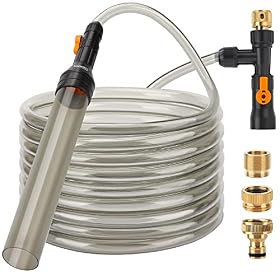 hygger Bucket-Free Aquarium Water Change Kit Metal Faucet Connector Fish Tank Vacuum Siphon Gravel Cleaner…hygger
$36.99 as of
View on Amazon- hygger Bucket-Free Aquarium Water Change Kit Metal Faucet Connector Fish Tank Vacuum Siphon Gravel Cleaner…hygger
$39.99 as of
View on Amazon
Product prices and availability are accurate as of the date/time indicated and are subject to change. Any price and availability information displayed on Amazon.com at the time of purchase will apply to the purchase of this product.
If you don’t have tank water available
Use water treated with an aquarium dechlorinator, and avoid a large temperature difference from the tank. Follow the conditioner and filter manufacturers’ directions. Don’t use water that has been treated with household cleaners or other chemicals.
How often should you rinse sponge media?
Rinse it when debris buildup noticeably reduces flow or the sponge is visibly clogged. There is no single schedule that suits every aquarium: feeding, stocking, plants, and filter design all affect how quickly a sponge collects debris. Check the filter periodically and avoid cleaning all biological filter media at once if your setup has multiple media types or stages.
Common mistakes to avoid
- Rinsing in untreated tap water: Water treatment varies, and chlorine or chloramine can damage beneficial bacteria. Use removed aquarium water or appropriately conditioned water.
- Trying to make the sponge spotless: Over-cleaning is unnecessary and can disturb the established biofilm.
- Letting the sponge dry out: Keep it wet while it is out of the filter and reinstall it promptly.
- Cleaning every filter component at once: Stagger maintenance when possible, especially in an established aquarium, so you do not disturb all the biological filtration at the same time.
- Rinsing debris into the aquarium: Use a separate bucket so loosened waste does not go back into the tank.
When to replace the sponge
Rinsing is usually enough when the sponge is intact and water still passes through it. Consider a compatible replacement if it is crumbling, torn, permanently compressed, or no longer stays in place. Check the filter instructions before changing media, and avoid replacing all established biological media at once unless the manufacturer’s guidance or a contamination concern requires it.
FAQ
Can I rinse aquarium sponge media under tap water?
Avoid untreated tap water because it may contain chlorine or chloramine that can harm beneficial bacteria on the sponge. Use water removed from the aquarium or appropriately conditioned water instead.
Does the sponge need to be completely clean after rinsing?
No. Gently squeeze out the heavy debris, but don’t scrub or rinse until the sponge looks new. The aim is to improve flow while leaving the established biofilm as undisturbed as practical.
Can I rinse the sponge in the aquarium itself?
It’s better to rinse it in a separate, aquarium-only bucket. That keeps released debris from returning to the tank and makes the sponge easier to handle.
How do I know when sponge media needs rinsing?
Check for visible clogging or a noticeable reduction in filter flow. Rinse as needed rather than relying on a fixed schedule.