The quietest bedroom aquarium filter is usually one with adjustable flow, a fully submerged or well-isolated motor, and enough capacity to run below its maximum setting. Compare filter types, noise sources, and setup details before choosing.
A quiet filter for a bedroom aquarium should provide steady biological filtration without producing a noticeable hum, vibration, rattling, or splashing sound. For most bedroom tanks, prioritize adjustable flow, a reliable impeller design, secure mounting, and a tank rating that gives the filter some operating headroom. The quietest choice depends on tank size, fish load, available space, and whether you prefer easy access or minimal visible equipment.
Which aquarium filter types are quietest?
Internal filters
Internal filters sit inside the aquarium and are often a strong choice for bedrooms because the water and tank help muffle the motor. They usually have a compact design and can be less noticeable than a hang-on-back filter.
Look for an internal filter with:
Adjustable flow
Suction cups or another vibration-isolating mount
A replaceable or washable mechanical filter pad
Space for biological media, if available
A fully submersible design rated for aquarium use
An internal filter may take up swimming space and can be less convenient to service. Make sure the motor remains submerged to the depth specified by the manufacturer.
Hang-on-back filters
Hang-on-back, or HOB, filters are easy to install and maintain. They can be quiet when properly leveled and filled, but the waterfall return may become audible in a bedroom as the water level drops.
To reduce HOB noise, choose a model with adjustable flow and keep the aquarium water level close to the filter's return lip. A prefilter sponge on the intake can also reduce intake noise and protect small fish or shrimp. Do not restrict the intake unless the manufacturer allows it, and clean the impeller and intake tube as directed.
Canister filters
Canister filters place the motor and filter media outside the aquarium. They can be a good fit for larger bedroom aquariums when you want high media capacity and no waterfall sound.
Their noise level depends heavily on installation. A loose hose, trapped air, dirty impeller, or cabinet vibration can make a canister louder than expected. Use stable tubing runs, avoid sharp bends, and place the canister on a firm, level surface. Follow the manufacturer's instructions for priming and placement.
Sponge filters with air pumps
Sponge filters are simple and effective, but the air pump may be the loudest part of the system. Bubbling, air-line vibration, and pump hum can be disruptive near a bed.
If you prefer a sponge filter, look for an air pump with adjustable output and use a soft, secure mounting arrangement. An air-line check valve helps prevent back-siphoning during a power outage, but it does not eliminate pump noise. A sponge filter is often more suitable when gentle flow and biological filtration matter more than a completely quiet room.
Features that matter for a bedroom aquarium
Adjustable flow
Flow control is one of the most useful bedroom features. You can reduce the current for sleeping hours or for fish that prefer calmer water, while retaining extra capacity for cleaning or a heavier bioload.
Avoid simply choosing the smallest filter available. A filter operating at its maximum capacity may be louder and may provide less useful media space. Instead, compare the manufacturer's tank-rating guidance with your actual tank volume and livestock, then use adjustable flow to avoid excessive circulation.
Impeller and motor access
The impeller is a common source of hum, clicking, or rattling. A filter with accessible maintenance parts is easier to clean when debris or mineral buildup causes noise. Check whether replacement impellers and other wear parts are available before buying.
Vibration isolation
A motor can be quiet by itself but noisy when it transfers vibration into glass, a stand, or a cabinet. Look for secure suction cups, rubber feet, or other isolation features. The filter should not touch a wall, lid, or cabinet panel in a way that creates a resonating sound.
Water-return design
Water falling back into the tank is often more noticeable than motor noise. A submerged return, adjustable outlet, spray bar, or directional nozzle can help reduce splashing, provided the design is approved for that filter.
Keep the water level high enough to minimize the drop from the return outlet. Leave enough space for safe circulation and follow the aquarium and filter instructions.
Media capacity and maintenance
A quiet filter still needs regular maintenance. A larger media chamber can allow longer intervals between cleaning, but it does not make the filter maintenance-free. Compare:
Mechanical media size and replacement cost
Space for biological media
Ease of removing the media without spilling debris
Access to the impeller and intake
Availability of replacement parts
Do not replace all biological media at once unless the manufacturer or an aquarium professional specifically recommends it. Excessive cleaning or replacement can remove beneficial bacteria and affect water quality.
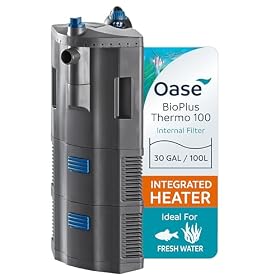
Quiet internal filter for a small bedroom aquarium
Product prices and availability are accurate as of the date/time indicated and are subject to change. Any price and availability information displayed on Amazon.com at the time of purchase will apply to the purchase of this product.
How to choose a quiet filter by tank situation
Small bedroom aquarium
For a small tank, an internal filter may provide the best balance of low external noise, compact size, and gentle flow. Confirm that it fits inside the aquarium and does not create a current that constantly pushes fish around.
Medium aquarium near the bed
An adjustable HOB filter can work well if you are comfortable maintaining the water level and reducing return splashing. An internal filter is worth considering if waterfall noise is likely to disturb sleep.
Larger aquarium or heavily stocked tank
A canister filter may offer more media capacity and a cleaner appearance around the aquarium. Choose carefully for hose routing, cabinet stability, priming, and service access. A filter should not be selected on tank size alone; fish size, feeding, waste production, and maintenance habits also affect the required capacity.
Shrimp, fry, or slow-moving fish
Use gentle, controllable flow and protect the intake with a suitable prefilter or sponge when compatible with the filter. Check the intake regularly because a fine prefilter can clog more quickly and reduce circulation.
Replacement impeller for aquarium filter maintenance
Product prices and availability are accurate as of the date/time indicated and are subject to change. Any price and availability information displayed on Amazon.com at the time of purchase will apply to the purchase of this product.
How to make an aquarium filter quieter
Check the water level. A low level can create waterfall or splashing noise, especially with HOB filters.
Clean the intake and mechanical media. A clogged intake can make the motor work harder and reduce flow.
Inspect the impeller. Turn off and unplug the filter before cleaning. Remove debris and mineral buildup according to the instructions.
Check for trapped air. Canister and internal filters may rattle or buzz until air is expelled through the normal priming or restart procedure.
Stabilize the filter. Make sure suction cups, feet, brackets, and hoses are secure and not pressing against the glass or furniture.
Check the outlet. Redirect the return or use the supplied flow-control parts to reduce splashing without blocking the filter.
Replace worn parts. A damaged impeller, cracked intake, hardened seal, or worn mounting component can cause persistent noise.
Always unplug aquarium equipment before placing your hands in the water or servicing the filter. Use only equipment rated for aquarium use, and keep electrical connections arranged with a drip loop. If a filter repeatedly trips a GFCI, smells hot, shows damaged wiring, or leaks near an electrical connection, disconnect it and follow the manufacturer's guidance or consult a qualified professional.
When to replace the filter
A replacement part is usually the sensible first step when the filter still moves water but has a worn impeller, damaged seal, cracked intake, or deteriorated mounting hardware. Replace the complete unit when the motor overheats, the housing leaks, electrical insulation is damaged, replacement parts are unavailable, or the filter cannot maintain reliable flow after cleaning.
When changing filter types, keep biological media from the established filter in the new filter when practical. Monitor water quality during the transition, and avoid leaving the aquarium without adequate filtration or circulation.
FAQ
What is the quietest type of aquarium filter for a bedroom?
A properly installed internal filter is often a quiet choice because its motor is inside the aquarium and the water helps muffle it. A canister filter can also be quiet, while HOB filters may produce return splashing and sponge filters may transfer air-pump noise.
Why is my aquarium filter making a humming or rattling sound?
Common causes include debris on the impeller, trapped air, a clogged intake, a loose mounting point, or vibration against the aquarium or furniture. Unplug the filter before inspecting it, then clean and reseat the relevant parts according to the manufacturer’s instructions.
Can I turn off my aquarium filter at night?
Generally, aquarium filtration should run continuously because beneficial bacteria and oxygen circulation depend on steady flow. Instead of turning it off, use an approved flow adjustment or a quieter filter setup. Never reduce circulation below what the livestock and filter manufacturer require.
How do I stop a hang-on-back filter from splashing?
Keep the aquarium water level near the filter’s return outlet, make sure the filter is level, and use only the supplied or manufacturer-approved flow-control parts. Do not block the return or intake in a way that could damage the motor or stop circulation.
Is a larger aquarium filter always better?
Not necessarily. More capacity can help with biological media and maintenance, but excessive flow can stress fish and create more noise. A filter with usable capacity above the minimum and adjustable output is often more practical than an oversized unit running at full flow.