Aquarium filter prices vary widely by filter type, tank size, flow capacity, and included media. Here is how to compare the upfront price with the ongoing cost of keeping a filter running.
An aquarium filter can cost anywhere from a relatively inexpensive basic unit to a significantly more expensive high-capacity system. The right price depends mainly on your tank size, fish load, desired noise level, and how much mechanical, biological, or chemical filtration you need.
Do not compare filters by purchase price alone. Replacement cartridges or media, electricity use, spare parts, and the cost of replacing an undersized filter can make a cheaper filter more expensive over time.
What determines aquarium filter cost?
Filter type
The filter design has a major effect on price:
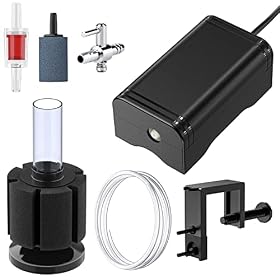
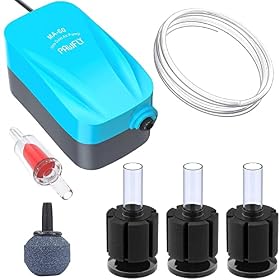
Sponge filters are usually among the simplest and least expensive options, but they also require a separate air pump and airline tubing.
Internal filters sit inside the aquarium and can be convenient for smaller tanks. Their price depends on flow capacity, media space, and whether the flow can be adjusted.
Hang-on-back filters hang on the rear rim of the aquarium. They often provide more media capacity than basic internal filters, but require enough clearance behind the tank.
Canister filters generally cost more because they hold more media and are designed for larger aquariums or heavier filtration demands. They also require more setup and periodic maintenance.
Undergravel and specialty filters may have different equipment requirements, such as an air pump or powerhead, so the filter price may not represent the complete installation cost.
Tank size and bioload
A filter for a small tank usually costs less than one intended for a large aquarium. However, the tank’s fish load matters as much as its water volume. A lightly stocked aquarium may need less filtration than a densely stocked aquarium of the same size.
Check the manufacturer’s recommended aquarium capacity, but treat that rating as a starting point rather than a guarantee. Heavy feeding, messy fish, or a crowded tank may justify choosing a larger filter with more media capacity.
Included media and features
Two filters with similar flow ratings may not provide the same value. Check what is included:
Mechanical filtration, which catches particles
Biological media, which supports beneficial bacteria
Product prices and availability are accurate as of the date/time indicated and are subject to change. Any price and availability information displayed on Amazon.com at the time of purchase will apply to the purchase of this product.
The ongoing cost of an aquarium filter
Replacement media
Consumable media is often the most important recurring expense. Some filters use proprietary cartridges that must be replaced with a specific size or shape. Others allow you to rinse reusable foam and replace only individual media types when necessary.
Before buying, look up the cost and availability of replacement cartridges, foam, floss, and biological media. If replacement parts are difficult to find, an inexpensive filter may become inconvenient to maintain.
Avoid replacing all biological media on a fixed schedule unless the manufacturer specifically requires it. Rinsing reusable media in removed aquarium water can help preserve beneficial bacteria. Never clean filter media with untreated tap water if doing so could expose it to chlorine or chloramine.
Electricity
Most aquarium filters use relatively little power, but they run continuously. Compare the filter’s wattage if energy use matters to you. A lower-wattage filter is not automatically the better choice if it does not provide enough flow or media capacity.
For a rough operating-cost estimate, multiply the filter’s wattage by the hours it runs, then compare that electricity use with your local utility rate. The pump’s actual energy use and your electricity price determine the result.
Extra equipment
Some filtration systems need additional purchases. A sponge filter generally needs an air pump, airline tubing, and often a check valve. A canister filter may require replacement hoses, seals, or specialized media. Include these items when comparing the total setup cost.
Product prices and availability are accurate as of the date/time indicated and are subject to change. Any price and availability information displayed on Amazon.com at the time of purchase will apply to the purchase of this product.
How to choose a filter by value
A good-value filter should:
Be rated for your aquarium size or larger when your tank has a heavy bioload.
Provide enough media space for mechanical and biological filtration.
Have a flow rate suitable for your fish and plants.
Offer replacement media that is easy to find.
Match your tolerance for motor noise, water movement, and maintenance.
Fit the aquarium without blocking the lid, lights, or access areas.
Do not buy the cheapest filter if it is undersized, difficult to clean, or dependent on expensive proprietary cartridges. Conversely, a large canister filter may be unnecessary for a lightly stocked small aquarium.
Product prices and availability are accurate as of the date/time indicated and are subject to change. Any price and availability information displayed on Amazon.com at the time of purchase will apply to the purchase of this product.
When paying more makes sense
Spending more can be worthwhile when you need greater media capacity, quieter operation, adjustable flow, easier maintenance, or better support for a heavily stocked tank. It may also make sense when the filter has reusable media instead of requiring frequent complete cartridge replacements.
For a basic, lightly stocked aquarium, a simpler filter may be sufficient. For a larger or heavily stocked aquarium, prioritize capacity, dependable flow, and serviceable replacement parts over the lowest purchase price.
Bottom line
The cost of an aquarium filter depends on its type, capacity, included media, features, and ongoing replacement requirements. Compare the complete ownership cost rather than the shelf price. A properly sized filter with affordable, readily available media is usually a better value than a cheaper filter that needs frequent proprietary replacements or cannot keep up with the aquarium’s bioload.
FAQ
What is the cheapest type of aquarium filter?
Sponge filters are often among the least expensive filter types, but they require a separate air pump, airline tubing, and usually a check valve. Include those items when comparing total setup cost.
Do larger aquariums always need more expensive filters?
Larger aquariums usually require greater flow and media capacity, but stocking level also matters. A lightly stocked tank may need less filtration than a heavily stocked tank of the same volume.
Are aquarium filter cartridges expensive to replace?
Replacement costs vary by filter design. Filters that use proprietary cartridges can create recurring expenses, while filters with reusable foam and separate media may allow you to replace only the material that is worn out or exhausted.
Is a more expensive aquarium filter always better?
No. A filter is a good value when it is correctly sized, provides appropriate water movement, has enough media capacity, and is practical to maintain. An expensive filter can be unnecessary for a small, lightly stocked aquarium.